

Safeguarding Your Children: Preventing Online Grooming!
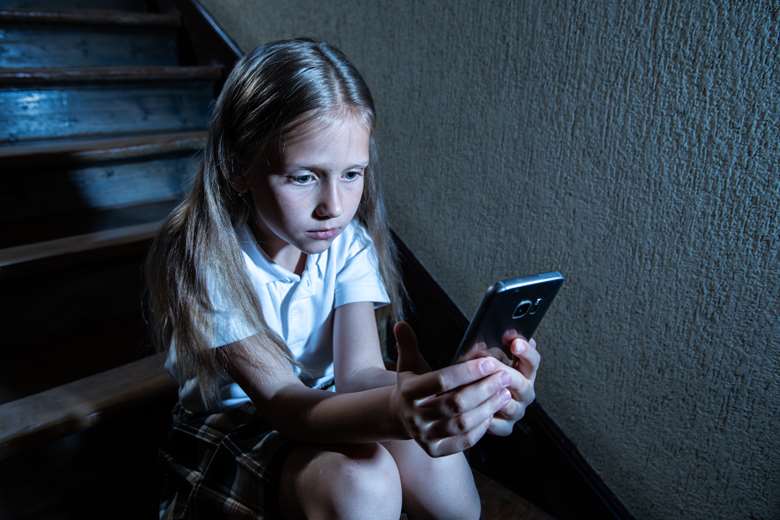
Introduction: In today's digital age, it is vital for parents and caregivers to be proactive in protecting their children from the dangers of online grooming. Online grooming refers to the process by which individuals with malicious intent build relationships with children online for the purpose of exploitation. By implementing effective strategies and open communication, we can create a safer online environment for our children. In this article, we will explore practical tips to help protect your children from online grooming in the UK.
Educate Yourself: Familiarise yourself with the various online platforms and applications that your children use. Stay informed about popular social media platforms, gaming communities, and messaging apps. Understanding the features, privacy settings, and potential risks associated with these platforms will help you guide and monitor your children’s online activities effectively.
Open and Honest Communication: Establish open lines of communication with your children about their online experiences. Encourage them to share their concerns, experiences, and any uncomfortable encounters they may have had while using the internet. By creating a safe and non-judgmental space, your children will feel more comfortable coming to you with their online worries.
Teach Internet Safety: Educate your children about internet safety from an early age. Teach them about the importance of protecting their personal information, including their full name, address, school details, and contact information. Emphasise the importance of not sharing private information or engaging in conversations with strangers online.
Set Clear Boundaries and Guidelines: Establish clear rules and guidelines for internet usage. Set limits on screen time and discuss appropriate online behavior. Encourage your children to think critically about the content they encounter and to immediately report any suspicious or uncomfortable interactions to you.
Monitor Online Activities: Regularly monitor your children’s online activities without invading their privacy. Keep computers and other devices in common areas of the house, allowing you to oversee their internet usage. Utilise parental control software to filter and block inappropriate content, set time restrictions, and monitor their online interactions.
Encourage Responsible Social Media Usage: Guide your children on responsible social media usage. Teach them about privacy settings, the importance of accepting friend requests only from individuals they know in real life, and the potential risks of sharing personal photos or information publicly. Regularly review and update their privacy settings to ensure they are appropriately protected.
Stay Informed about Online Trends and Risks: Stay up to date with the latest online trends and potential risks. Research and be aware of the warning signs of grooming, such as excessive secrecy, sudden withdrawal from family and friends, or receiving gifts or money from unknown sources. Remain vigilant and trust your instincts if something seems amiss.
Encourage a Supportive Network: Encourage your children to develop healthy online relationships with friends they know in real life. Discuss the importance of surrounding themselves with positive influences online and offline. Encourage them to talk to you or another trusted adult if they ever feel uncomfortable or threatened while using the internet.
Report and Seek Help: If you suspect that your child is a victim of online grooming, report it immediately to your local police or the Child Exploitation and Online Protection (CEOP) Centre in the UK. They have resources and expertise to assist you and investigate such cases.
Conclusion: Protecting children from online grooming requires a multi-faceted approach that includes education, open communication, monitoring, and fostering responsible online habits. By implementing these strategies and maintaining an active presence in your children’s online lives, you can help create a safer digital environment for them. Remember, empowering your children with knowledge and support is essential in keeping them safe from online dangers.
